

No products in the cart.
Category Archives: Blog


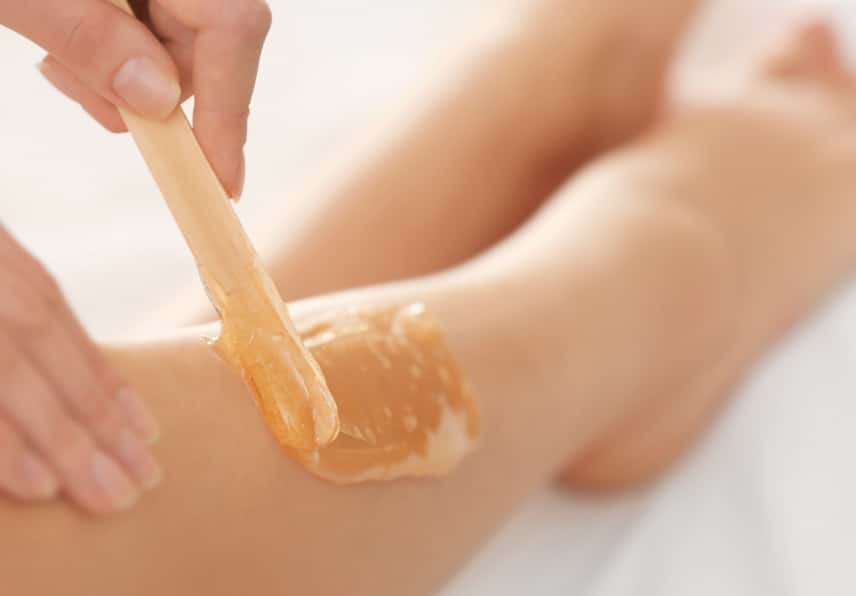

Find articles in the English blog archive
This archive is the chronological view of the English HR Hair Removal articles. The cards above remain the current article list, and each title opens the complete post with its existing wording, images and page elements. For a separate editorial starting point, visit the English blog overview.
Use this section as a navigation guide rather than as a replacement for an article. Choose the question that is closest to what you want to read, open its individual page and then use the headings within that page to locate the relevant passage.
Start with an introduction to sugaring
The article What is sugaring hair removal? has its own permanent page. Open that link for the full published text and the page elements that belong to it. The archive card and this guide only provide routes to the original article.
Read the article about how long sugaring lasts
For the duration-focused topic, open How long does hair removal with sugaring last?. Keeping the article on a separate URL makes it easier to bookmark, revisit or share the exact page instead of linking only to a changing archive position.
Compare sugaring with shaving
The archive also links to Is sugaring better than shaving?. Its complete comparison remains on the individual article page. If you are reviewing more than one topic, return to this archive after reading and choose the next card rather than relying on the browser address of the archive itself as the article reference.
Open the intimate-sugaring question
The fourth route is How painful is intimate sugaring?. The linked page contains the full existing article. This archive guide does not add to, shorten or reinterpret any statement made there.
Use the archive and the main website navigation together
The archive is designed for browsing editorial posts. The website navigation provides separate routes to service pages, the English price list and the contact page. Opening the correct section first helps distinguish a blog article from current information published elsewhere on the website.
Save or share the individual article URL
When an article is useful, save the address shown after opening its title. Archive order can change as new posts are published, while the individual page remains the direct route to that specific article. You can return to the archive at any time through the English blog overview.
Choose a route from the question in the title
Each of the four titles describes a different reading route: an introduction to sugaring, a question about duration, a comparison with shaving and a question about intimate sugaring. Start with one title, read the complete page and return here only when you want to open another topic. This keeps the context of each article separate and avoids treating a short archive excerpt as the full post.
Distinguish the archive from an individual post
The archive groups several posts on one changing page. An individual post has its own heading, content and address. If you arrive through a search result or a shared link, check the page title before saving it: a question-style title identifies one article, while “Category Archives: Blog” identifies this collection. The distinction makes bookmarks and shared references easier to understand.
Move between English information areas
Use the English navigation when you want to leave the editorial archive. The blog overview leads back to the article collection, the price-list link opens its separate page and the contact link opens the contact area. None of those destinations changes the text of the posts listed above; they simply provide a direct route to another part of the same website.
Review one complete article at a time
On an individual article page, use its headings to follow the published structure from start to finish. Return to this archive only after you have finished that page. When comparing two articles, keep their full titles with your notes so that statements from one page are not accidentally assigned to another. The existing article wording remains the reference in every case.